By Dr Sanjay Trikha and Dr Zoya Diwan, founders of Trikwan Aesthetics
Few treatments carry as much baggage as lip filler. Mention the words and most people picture something obvious, overfilled and unnatural, the kind of result that gives the whole treatment a bad name. We understand the hesitation, because we share the frustration. The truth is simple: a natural lip enhancement should be impossible to spot. When lips look fake, it is almost always a sign of poor product, poor technique or too much volume, not of lip filler itself.
In a recent episode of our podcast, The Skin Decision, we sat down to talk through the lip filler myths we hear most often. We believe the best way to take the fear out of any treatment is to understand it, so here are those myths, and what is actually true.
Myth 1: I will end up looking overdone
This is the worry we hear most, particularly from first-time patients who have never had a treatment before and are understandably nervous. The fear is that there are only two outcomes: lips that look done, or no treatment at all.
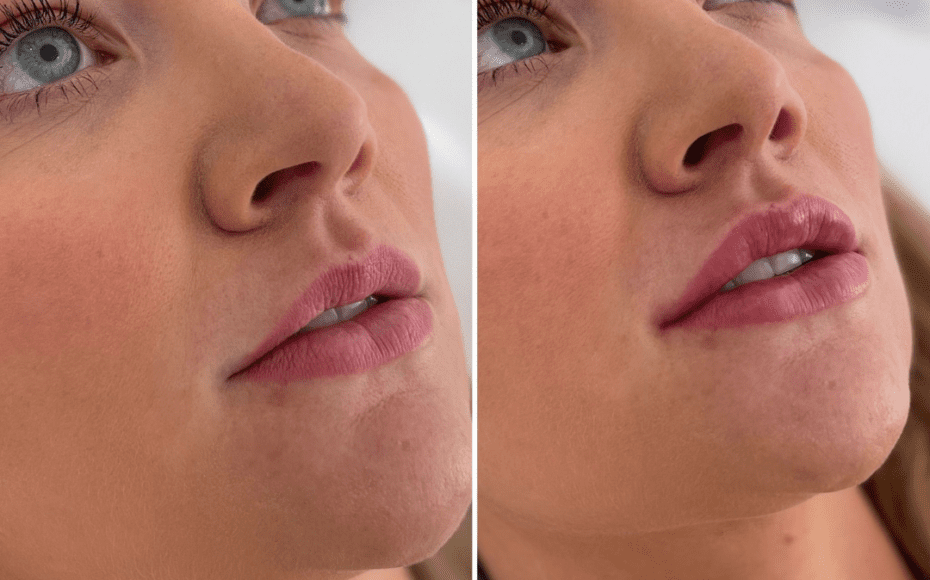
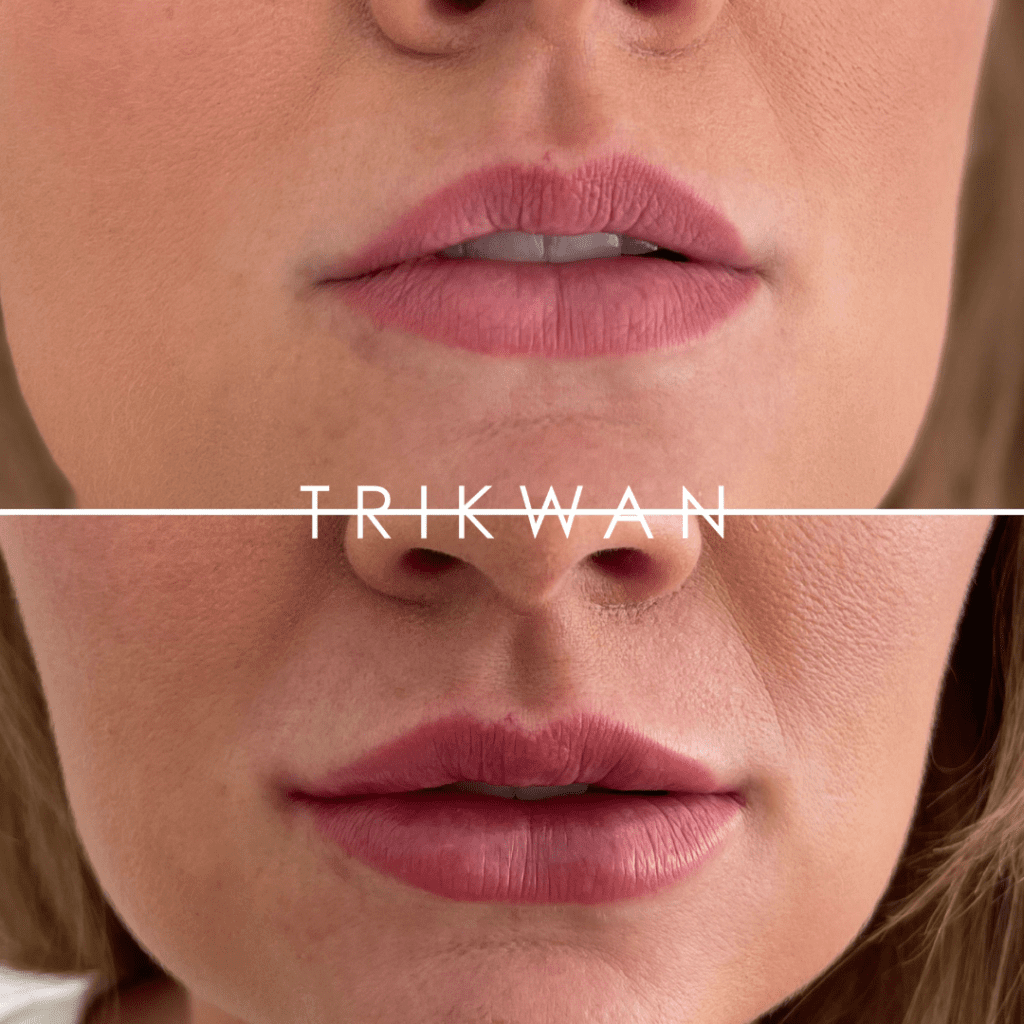
In reality there is a whole spectrum to choose from. At one end is a very subtle hydration, where we use the hyaluronic acid in the filler simply to add softness and moisture, with no real change in size. Further along is a gentle restoration of volume that has been lost over time, or a slight enhancement kept in proportion with the rest of your face. Where you sit on that spectrum is your decision, made together at consultation.
We also work gradually. Building slowly suits the natural anatomy of the lip and gives you time to adjust to each change. As a rule we would never place more than one millilitre in a single session. That said, we try not to get too fixed on numbers, because a natural result is far more about technique, placement and proportion than any single figure.

Myth 2: Filler always feels heavy or thick
Not true, and again it comes down to the product. Basic filler ranges are often grouped simply as thin, medium or thick, and many rely on a medium gel that can feel firm in a delicate area like the lips. A more sophisticated range may include many different formulations, some designed to closely mimic the texture of lip tissue, and some so fine and water-light that they add hydration you can barely feel.
Chosen well and placed correctly, good filler should feel soft and natural, not like a foreign object sitting in your lip.
Myth 3: Lip filler does not last very long
Quality changes everything here too. A well-chosen hyaluronic acid filler typically softens and breaks down gradually over roughly a year, though in our experience many patients find it lasts longer than they expect.
There is also a natural balance at play. As filler slowly wears away, the lips continue to age and thin a little on their own, so the two effects compound and the change feels gentle rather than sudden. Poor quality products behave less predictably. Some break down badly, and some appear to last for years because they were never really hyaluronic acid in the first place, which is one of the reasons we are so careful about what we use and why.
Myth 4: It is a quick five-minute treatment
A lip treatment done properly is anything but rushed. It begins with a proper consultation, an assessment of your individual anatomy, and a tailored plan, followed by appropriate numbing, because the lips can be sensitive if this step is skipped. Done well, the appointment takes a good thirty to forty-five minutes, and for a first-time patient we would usually set aside a full hour.
Just as important is the trust built in that time. A nervous patient arrives with questions and concerns, and getting on the same page before anything is placed is what leads to a result they are genuinely happy with. That is not something you can do in five minutes.
Myth 5: There is one perfect lip shape
For a long time the industry chased golden ratios and ideal proportions, trying to apply the same template to every face. We have moved away from that thinking entirely. You are not a clone of anyone else, and there is rarely a good reason to change a naturally beautiful proportion to fit a trend or someone else’s idea of an ideal.
Interestingly, our most common lip patient is not someone seeking a perfectly ratioed pout. It is usually someone who is happy enough with their lips but feels they have lost a little something over the years, or someone who would like a touch more balance between a thinner top or bottom lip. The aim is always what suits your face, not a formula.
Myth 6: My lips will balloon up for days
Some swelling after a lip treatment is completely normal, especially for first-time patients. We talk about days one to four as the period of regret, because the lips may look a little irregular or swollen before they settle, and the final result simply is not there yet. A useful guide is to imagine the lips a good twenty to thirty per cent less than they appear on the day.
What you should not expect is a dramatically ballooned, tight or painful result. If that happens, it usually points to a heavy-handed technique or a sensitivity reaction, and it is a reason to contact your practitioner rather than to carry on regardless. Think of it like knocking your elbow on a desk. The body responds to any trauma with some swelling, and a few needles in a delicate, vascular area are no different. That swelling is not the filler, and it is not the result.
Myth 7: All filler is the same, you are just paying for the name
This is perhaps the most misleading myth of all. There is an enormous range in quality between products. At one end are medical-grade fillers that are evidence-based, prescribed, made by regulated manufacturers, supported by clinical data, and known to integrate beautifully and behave predictably over time. At the other are unregulated products of unknown origin that can lump, clump and migrate, and that may not even be hyaluronic acid.
There are really three things that decide whether a result is good or bad: the quality of the filler, the technique, and the quantity used. The product matters most of all, because even a skilled injection with the right amount will not hold up at three or six months if the underlying filler is poor. That is precisely where quality reveals itself.
None of this means you should simply choose the most expensive option. It means doing your due diligence: finding a reputable practitioner and a clinic that uses trusted, regulated products, and understanding exactly what is being placed in your lips. If something seems too cheap to be true, it usually is. This is your face, and it is worth getting right.
The real takeaway
Lip filler has earned its reputation from the results that go wrong, not from what the treatment can actually do in careful hands. Done thoughtfully, with the right product, a tailored plan and a gradual approach, it should look like nothing more than a softer, more balanced version of your own lips.
If you have been put off by everything you have heard, the best next step is a conversation, not a commitment. Schedule a consultation with us today and we will talk you through what is realistic, what would suit your face, and what we would and would not recommend.
This article is for general education and does not replace a personal consultation. All treatments are carried out only after a face-to-face assessment, and individual results vary.