How Long Does the Tretinoin Purge Last? Timeline, Stages, and When It Improves
Introduction: The Most Common Question About Tretinoin
If you’ve recently started using tretinoin and your skin feels worse rather than better, you’re not alone. One of the most common — and understandably distressing — questions we hear at Trikwan Aesthetics London is:
“How long is this purge going to last?”
Tretinoin is one of the most effective prescription treatments for acne, pigmentation, and skin ageing, but its early stages can test patience and confidence. Breakouts, irritation, flaking, and sensitivity can all appear before improvement begins.
Understanding the timeline of the tretinoin purge is crucial. When patients know what to expect — and what is normal versus concerning — they are far more likely to stay consistent, protect their skin barrier, and achieve excellent long-term results.
This article breaks down the week-by-week stages of the tretinoin purge, explains when improvement should begin, and clarifies when medical review is needed.
For a complete explanation of why purging happens, we recommend starting with our pillar guide:
The Tretinoin Purge Explained by Trikwan Aesthetics London
First, What Exactly Is the Tretinoin Purge?
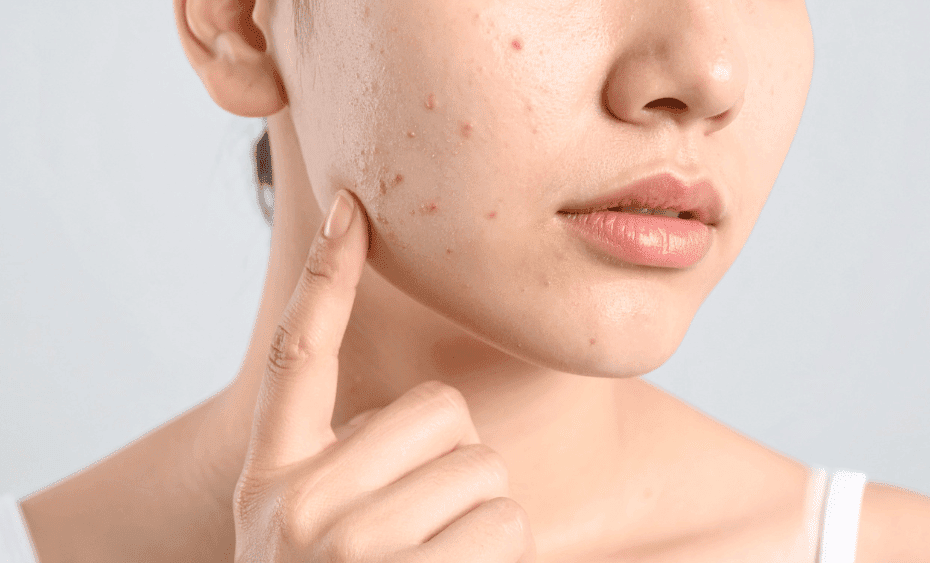
The tretinoin purge refers to a temporary increase in breakouts and irritation caused by accelerated skin cell turnover. Tretinoin brings existing congestion — microcomedones forming beneath the skin — to the surface more quickly.
Importantly:
- Tretinoin does not create new acne
- It reveals acne that was already developing
- The purge is time-limited when managed correctly
The timeline varies between individuals, but the process generally follows a predictable pattern.
Weeks 1–2: The Adjustment Phase
What’s happening beneath the skin
In the first one to two weeks, your skin is adjusting to tretinoin’s effect on cell turnover and barrier function. At this stage, inflammation may increase slightly, but deep congestion has not yet surfaced.
Common symptoms
- Mild redness
- Dryness or tightness
- Increased sensitivity
- Subtle flaking
Some patients experience no visible purging at all during this phase, which can create a false sense of reassurance before later changes appear.
What matters most at this stage
This is the most important time to:
- Keep application frequency low
- Avoid exfoliating acids or scrubs
- Support the skin barrier with gentle skincare
Many severe purges begin here due to overuse rather than tretinoin itself.
Weeks 3–6: The Active Purge Phase
This is when most people panic
For the majority of patients, weeks three to six are when purging becomes most noticeable. This is also when many people consider stopping tretinoin prematurely.
What’s happening biologically
- Cell turnover is significantly accelerated
- Microcomedones are surfacing rapidly
- Inflammation increases before regulation improves
Typical signs
- Breakouts appear more frequently
- Spots resolve faster but appear in clusters
- Texture may temporarily worsen
- Peeling and irritation can intensify
This stage often feels discouraging, but it is also the point at which tretinoin is actively doing its job.
Weeks 6–12: The Transition and Improvement Phase
Where consistency starts to pay off
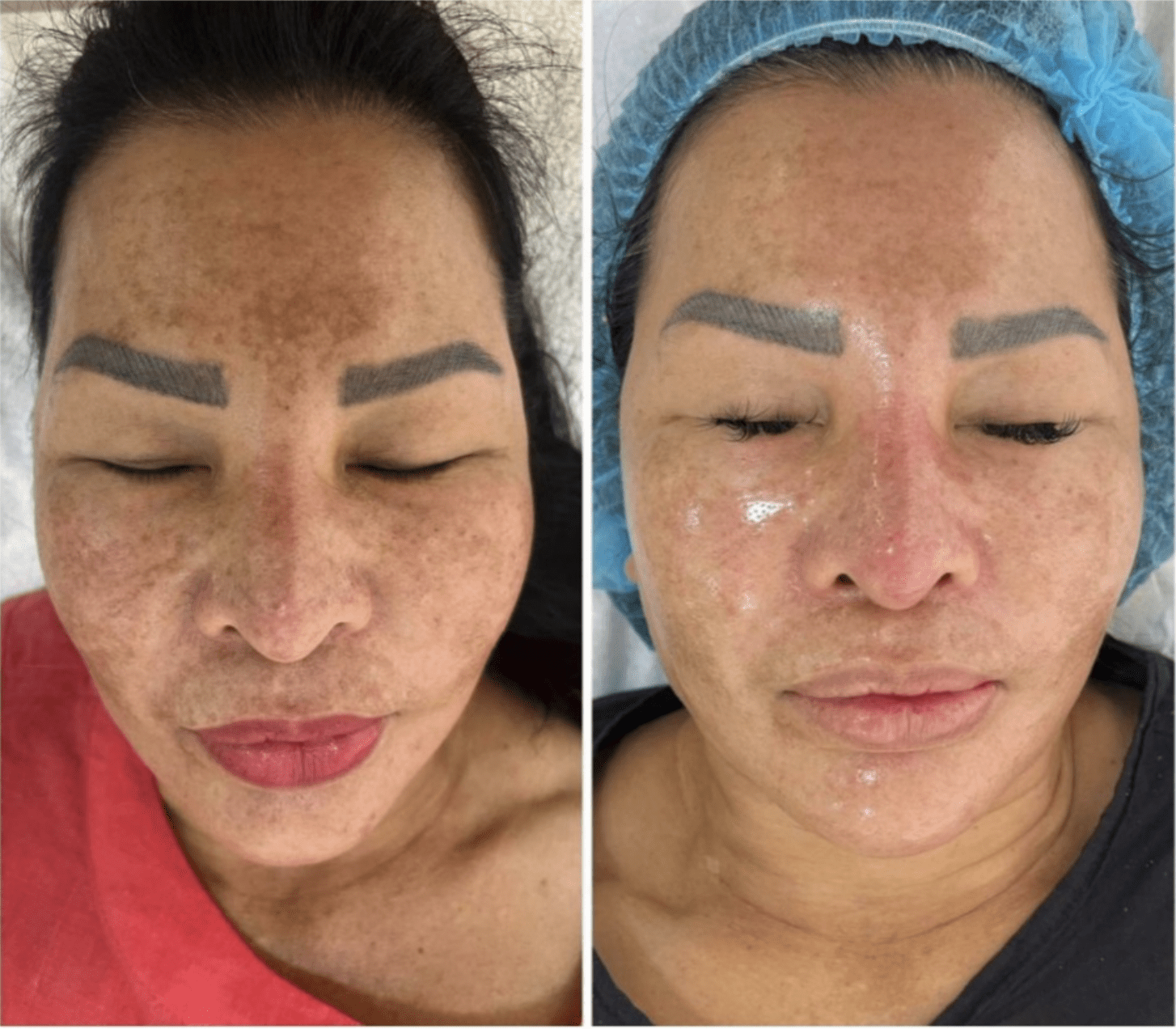
For most patients, the purge begins to settle between weeks six and twelve — provided the skin barrier has been protected.
Signs of improvement
- Fewer new breakouts
- Faster healing time
- Reduced inflammation
- Smoother overall texture
- Gradual brightening of the skin
This is when patients often notice the first signs of the long-term benefits tretinoin is known for, including clearer pores and more even tone.
If purging persists beyond 12 weeks, this may indicate irritation rather than purging, which should be reviewed professionally.
Why Some People Purge Longer Than Others
Not all tretinoin purges are equal. Duration is influenced by several factors:
1. Acne history
Patients with deeper or long-standing acne tend to experience longer purge phases due to more underlying congestion.
2. Strength and formulation
Higher concentrations and alcohol-based formulations increase irritation risk and prolong recovery.
3. Application frequency
Daily use from the start is one of the most common reasons purging becomes excessive.
4. Barrier health
Compromised skin barriers struggle to regulate inflammation, extending redness and breakouts.
At Trikwan Aesthetics London, we individualise tretinoin plans precisely to minimise these risks.
When the Timeline Is a Red Flag
It’s crucial to understand that not all worsening skin is purging.
You should seek professional advice if:
- Breakouts continue worsening after 12 weeks
- Acne appears in areas you never usually break out
- Skin burns, stings, or cracks
- Inflammation becomes painful or persistent
These signs suggest irritation or intolerance, not a normal purge.
Can the Purge Be Shortened?
While purging cannot always be avoided, it can often be reduced in severity and duration through correct management.
At Trikwan Aesthetics London, we focus on:
- Gradual dose escalation
- Reduced frequency in early stages
- Barrier-repair skincare
- Strategic moisturising (buffering)
The Psychological Impact of the Purge (And Why Support Matters)
One of the most overlooked aspects of tretinoin purging is its emotional toll. Skin changes affect confidence, social comfort, and mental wellbeing.
Patients who feel supported and informed are significantly more likely to:
- Continue treatment safely
- Avoid damaging overcorrection
- Achieve long-term results
Medical supervision ensures patients don’t suffer unnecessarily through what should be a controlled, temporary phase.
Final Thoughts: Patience, With Guidance
For most patients, the tretinoin purge:
- Begins within 2–4 weeks
- Peaks around weeks 4–6
- Improves between weeks 6–12
When managed correctly, it is a finite stage, not a sign of failure.
If you are unsure whether your skin is purging, reacting, or simply overwhelmed, professional guidance can prevent months of unnecessary inflammation.
To understand the full mechanism behind purging and tretinoin use, return to our main guide:
The Tretinoin Purge Explained by Trikwan Aesthetics London
Why Choose Trikwan Aesthetics London for Prescription Skincare
At Trikwan Aesthetics London, our approach to prescription skincare is rooted in one core belief:
great skin results should feel as natural as they look — and never come at the expense of skin health.
Tretinoin is a powerful medical treatment, and its success depends entirely on how it is prescribed, introduced, and supported. That’s why every tretinoin journey at Trikwan is doctor-led, personalised, and closely monitored.
When you choose our London clinic, you benefit from:
-
Doctor-led care by Dr. Zoya Diwan and Dr. Sanjay Trikha, ensuring your treatment is medically appropriate, safe, and tailored to your skin
-
Evidence-based prescribing, with strengths, formulations, and frequency adapted to your skin type, concerns, and tolerance
-
A skin-barrier-first philosophy, designed to minimise irritation, manage purging safely, and protect long-term skin health
-
A personalised, holistic approach, combining prescription skincare with supportive routines, lifestyle guidance, and ongoing review
We don’t believe in pushing skin to its limits or promising overnight fixes. Instead, we focus on steady, sustainable improvement, guided by science and clinical experience.
Our goal is not just clearer skin — it’s stronger, healthier skin that continues to improve over time.